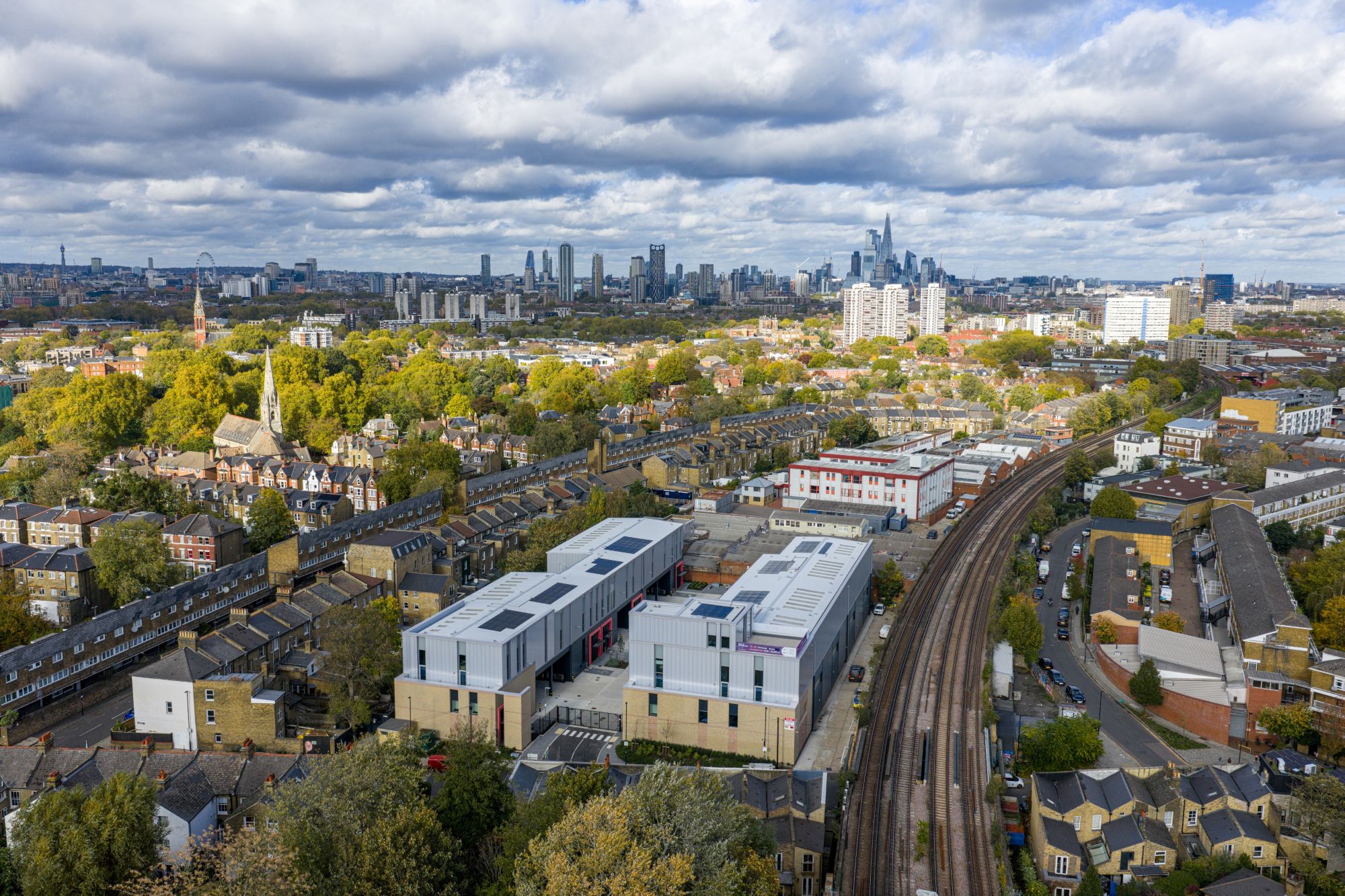
Lilford Rd, Camberwell
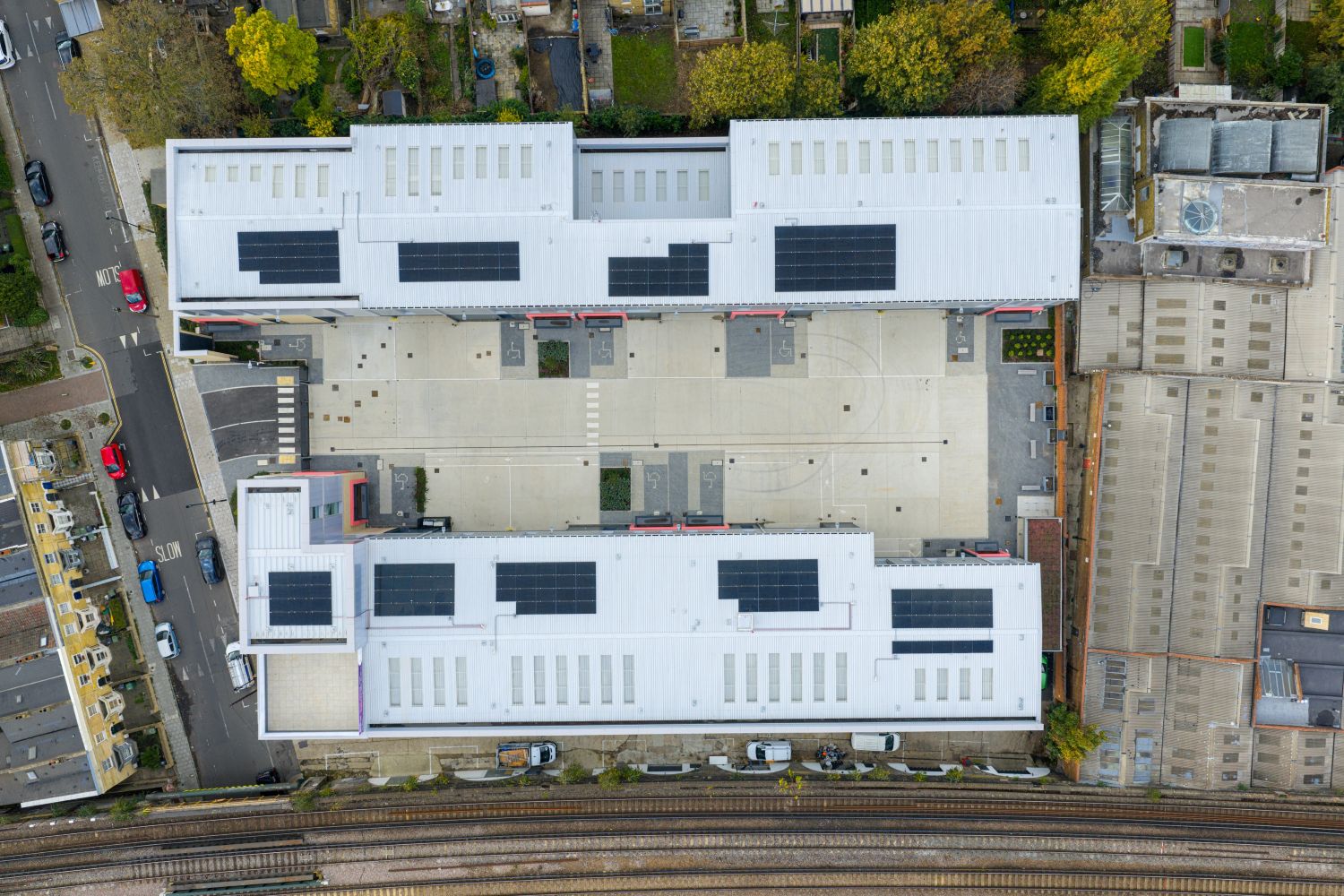
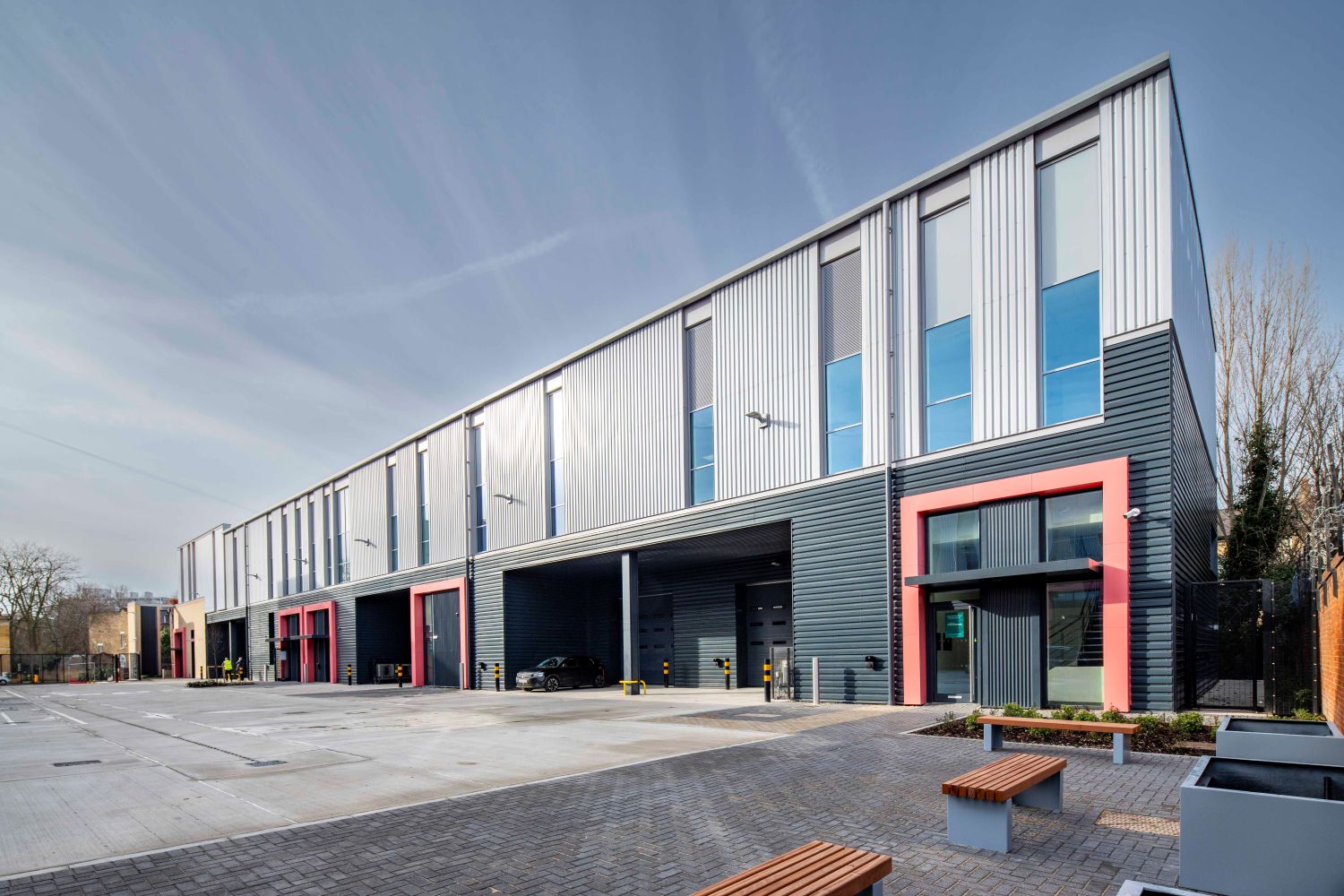
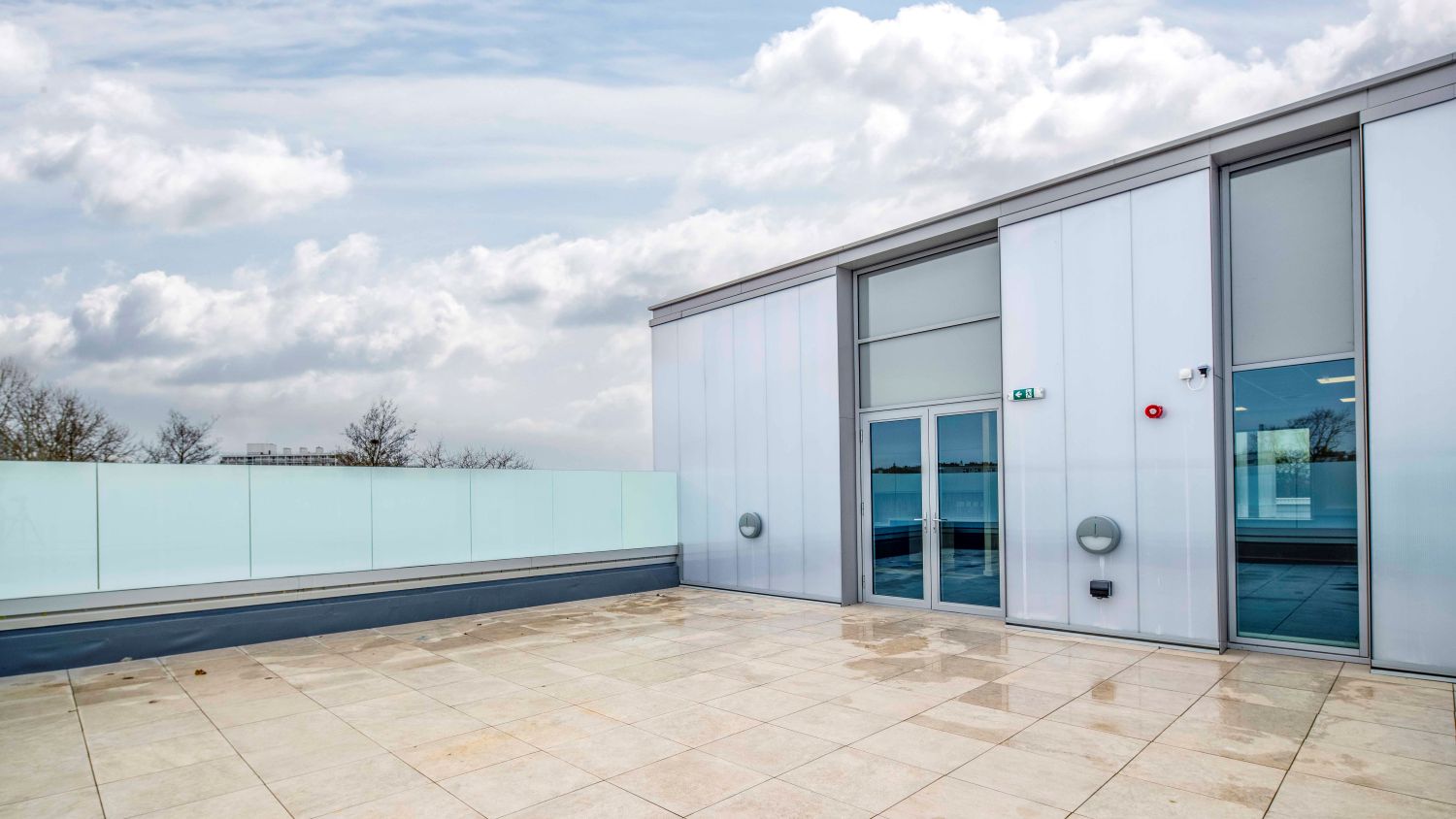
The Lilford Road development showcases how high-performance warehousing can be reimagined to meet net-zero carbon ambitions, within tightly constrained, ultra urban environments. Working with our client, Bloom, a derelict business park was transformed into a modern last-mile logistics hub alongside office space and infrastructure upgrades, including a new substation.
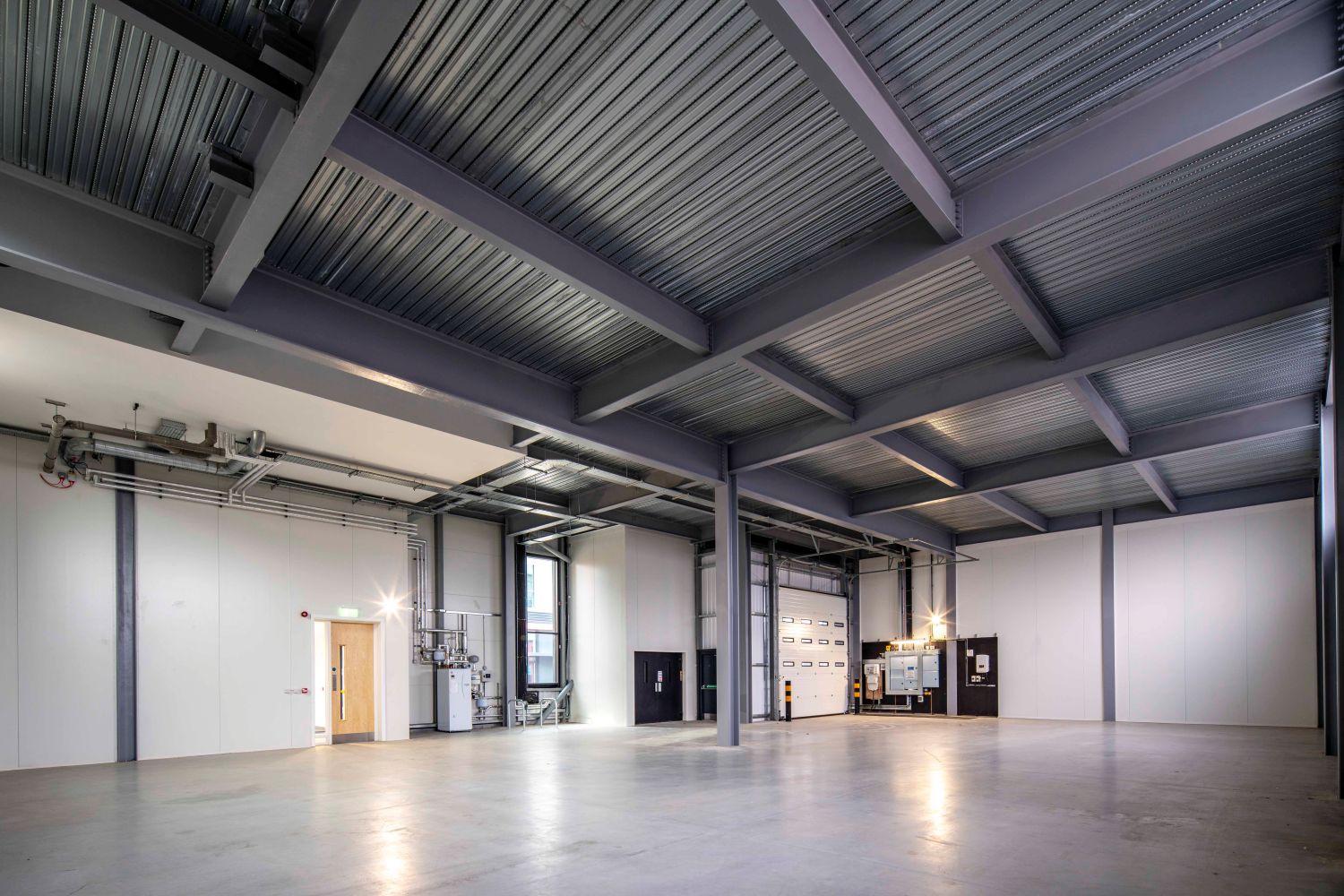
A series of options delivered through Magrock’s design & build approach significantly reduced operational carbon for future occupiers of the two-storey steel-framed buildings. Enhanced fabric efficiency, renewable technology integration and low-energy systems enabled the project to become one of the first UK warehouses aligned with the Paris Agreement.
Delivery within a dense residential setting presented logistics challenges, compounded by proximity to Network Rail infrastructure, requiring a Basic Asset Protection Agreement (BAPA), alongside coordinated Section 278 for the highway and public realm works.
The project achieved EPC A+ and BREEAM Outstanding, complemented by a strong embodied-carbon strategy and a robust waste management approach, diverting 99% of construction waste from landfill. These credentials were recognised with the ‘Excellence in Sustainability – Project’ award at the London Construction Awards.
Lilford Road underscores Magrock’s capability to deliver technically robust, sustainability-led facilities, creating positive outcomes for occupiers, communities and the environment, without compromise to quality, programme or cost certainty.