Sustainability
Construction
can
leave
a
mark.
We ensure it’s a positive one by embedding sustainability into every decision we make.
Trust
Respect
Our Approach

Zero
Waste
We design waste out of our projects, reclaiming materials on site, driving take-back schemes and recycling everything else.
Smart
Materials
We prioritise low-carbon, recyclable materials that deliver durability without the environmental cost.
Transparent
Impact
Reporting with full transparency, we start with uncomfortable facts and end in meaningful actions.
Responsible Excellence
Uncompromised site standards, strong oversight and real local value. Responsibility from day one.


Bradley Harris
Janna Steadman

Case Studies
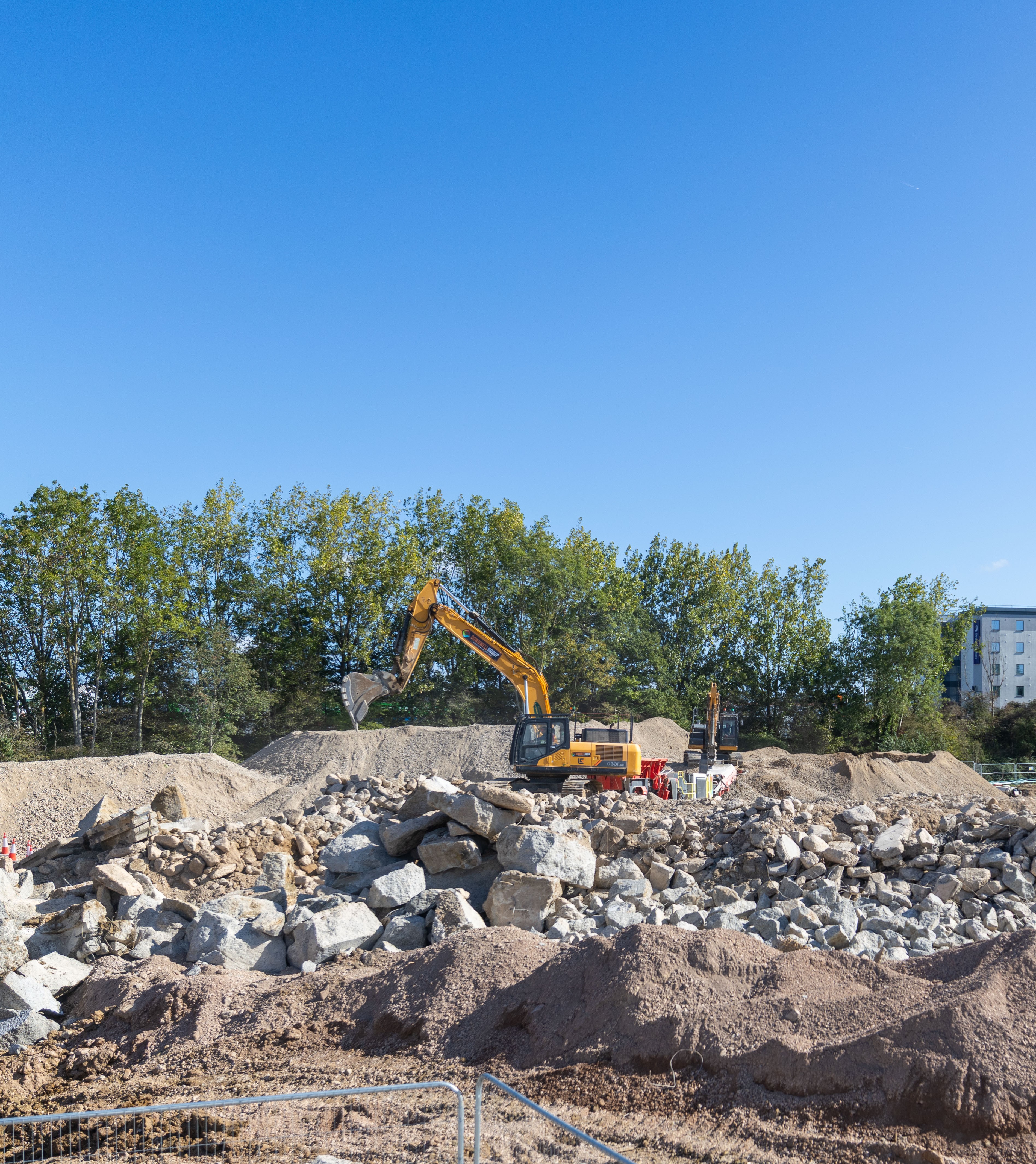
Material Reuse
Our Southall project replicated and scaled this sustainable practice by processing 1,800 tonnes of site‑won material for multiple engineering uses. The material was repurposed for:
- VSC piling
- Bedding for drainage
- Service ducting
- Engineered fill for bulk earthworks
Through efficient reuse and significantly reduced reliance on imported materials, the project:
- Saved 12 tonnes of carbon
- Removed the need for 200 lorry journeys
- Reduced noise, pollution and disruption in the local community
- Lowered embodied carbon across the build
This project highlights how thoughtful material management can deliver major environmental gains on urban sites.
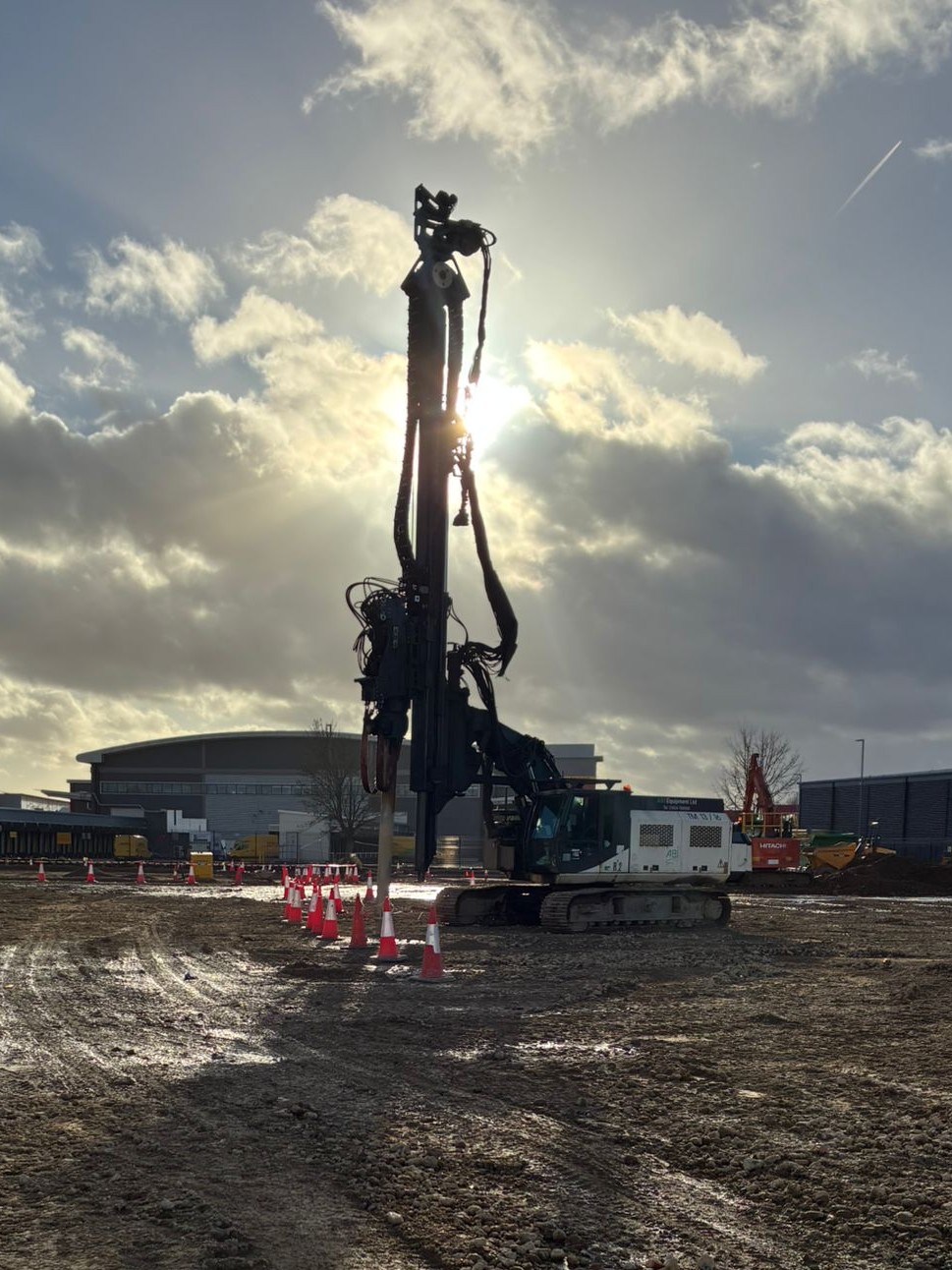
Low-Carbon Piling
At Project Stack, Magrock delivered a strong example of sustainable construction by crushing and processing all suitable site‑won demolition material directly on site. The clean stone was reused as recycled aggregate for vibro‑stone column (VSC) piling, while finer material was used as engineering fill in the bulk earthworks.
This circular approach meant we avoided importing new aggregate and drastically reduced muck‑away. As a result, the project:
- Saved 5.6 tonnes of carbon
- Prevented around 88 lorry movements on local roads
- Reduced congestion, emissions, and community impact
- Eliminated the need to import aggregate
By turning existing ground material into valuable resources, the team delivered a more efficient, lower‑carbon and community‑friendly construction process.

Sustainable Procurement
Avonmouth represents one of Magrock’s strongest sustainability case-studies to date.
- 15% reduction in embodied carbon - 746 tonnes of CO₂ saved, the equivalent to 746 London-New York flights. Achieved using high-replacement cement mixes - 60% in pads, 70% in CMCs
- 63% EAF steel used in the frame; a far more energy-efficient steel route
- 10% cement replacement in service yards added further reductions
- Extensive ecological stewardship protecting one of the UK’s rarest mammals; the water vole; with exclusion zones and habitat safeguards implemented
- A change in piling strategy from deep CFA piles to CMC piling required a complex engineering solution to suit the soft ground conditions. This friction-based ground improvement controlled long-term settlement, delivered significant cost savings, and reduced embodied carbon by 63%
- With an approximate 859TCO2e saved through the piling methodology and 746TCO2e saved with cement replacements, this project prevented more than 1,600T of carbon entering the atmosphere
This case study demonstrates how Magrock’s collaborative approach with clients and consultants delivers practical solutions that generate both environmental gains and commercially robust outcomes, fully embodying our sustainable approach to projects.
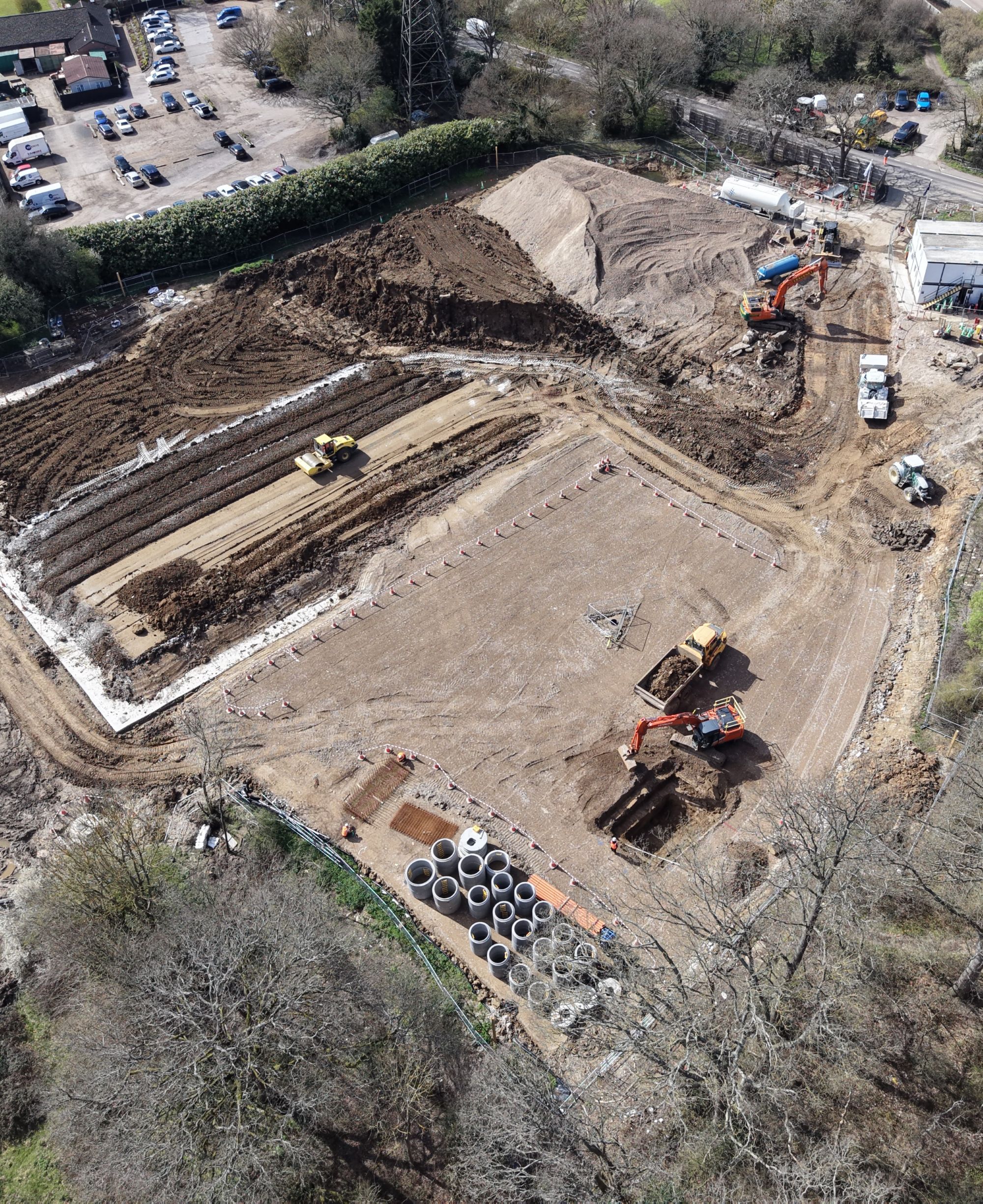
Subbase Replacement
The use of subbase replacement stabilisation to treat and reuse site‑won material rather than exporting it is a strategy commonly explored by Magrock. This strategy reduces embodied carbon, cuts muck‑away, and removes the need for importing large volumes of aggregate. So far for three projects this year, this approach has:
- Saved over 100 tonnes of carbon
- Prevented nearly 2,500 lorry movements
- Provided long‑term cost and environmental benefits
Stabilisation has become a core part of how Magrock maximises material efficiency and reduces environmental impact across its projects.
.jpg)
Responsible Remediation
Our project in Dartford required thoughtful planning, circular use of materials, low-carbon engineering and responsible remediation.
Our approach focussed on processing site-won material for reuse under a detailed CL:AIRE complaint Materials Management Plan (MMP), ensuring full traceability and responsible re-use of soils throughout. Furthermore, we adjusted site levels to minimise surplus soils, value-engineering the drainage design to reduce excavation requirements, and implemented CMC ground improvement piling to allow for shallow foundations and drastic muckaway reductions. During construction, the team discovered significant asbestos contaminated soils which had the potential to become a major environmental and financial burden.
Proactive management and early engagement with environmental specialists ensured a far more sustainable outcome, rather than removing the full hotspot which would have resulted in extensive lorry movements, greater landfill requirements and considerable cost. The team carefully assessed the material and determined that only 80m3 required removal, with the remainder safely encapsulated beneath engineered hardstanding and validated under the final Verification Report.
Charities We Support


Social Value Stories
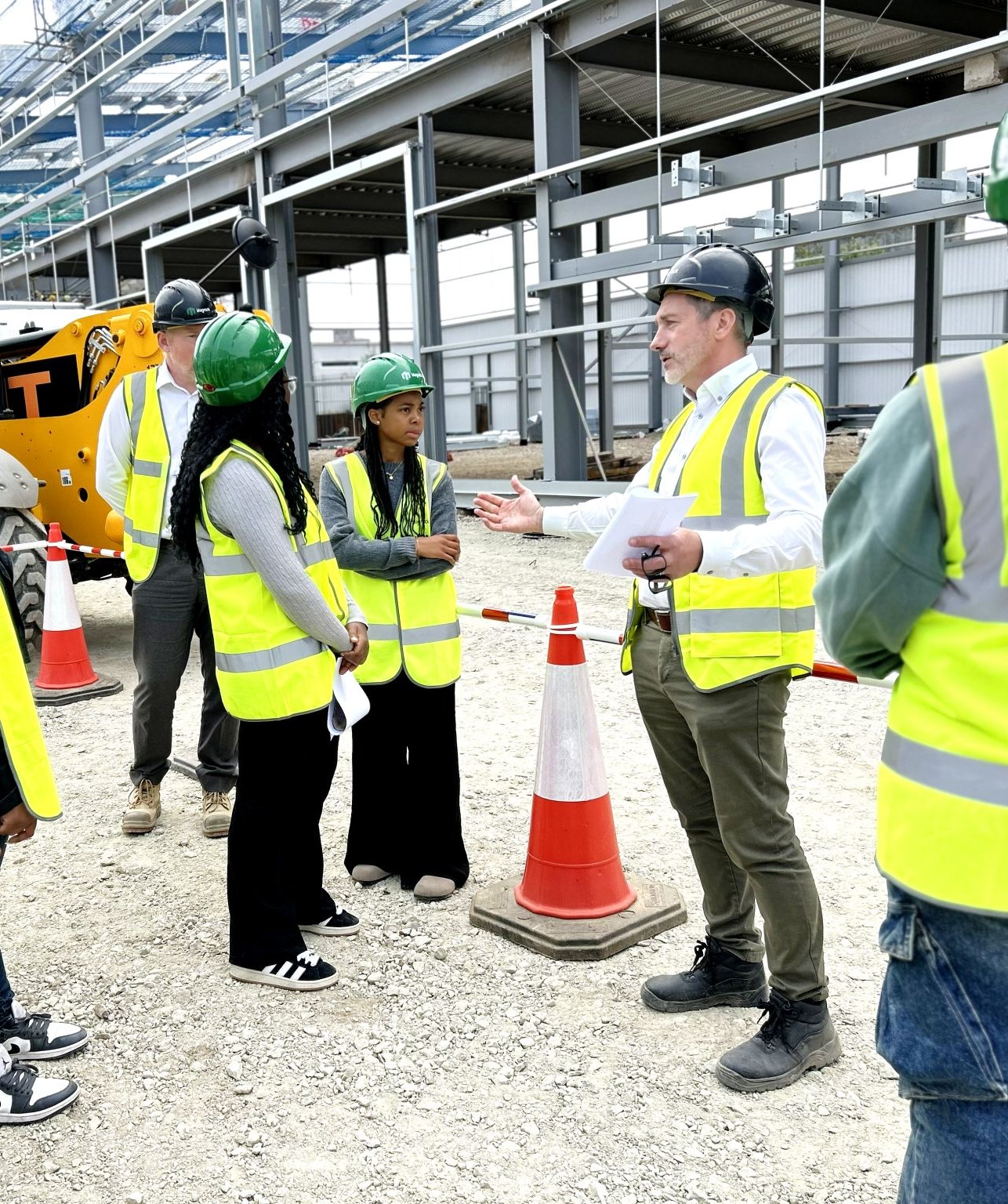
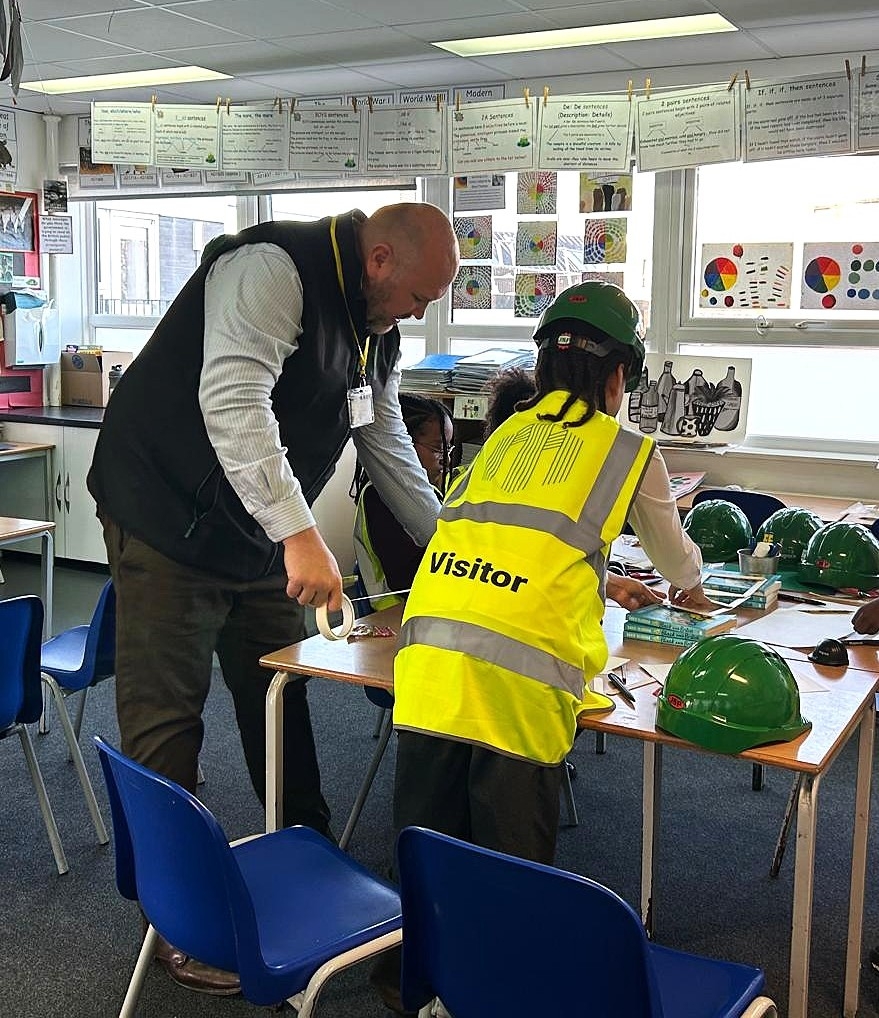
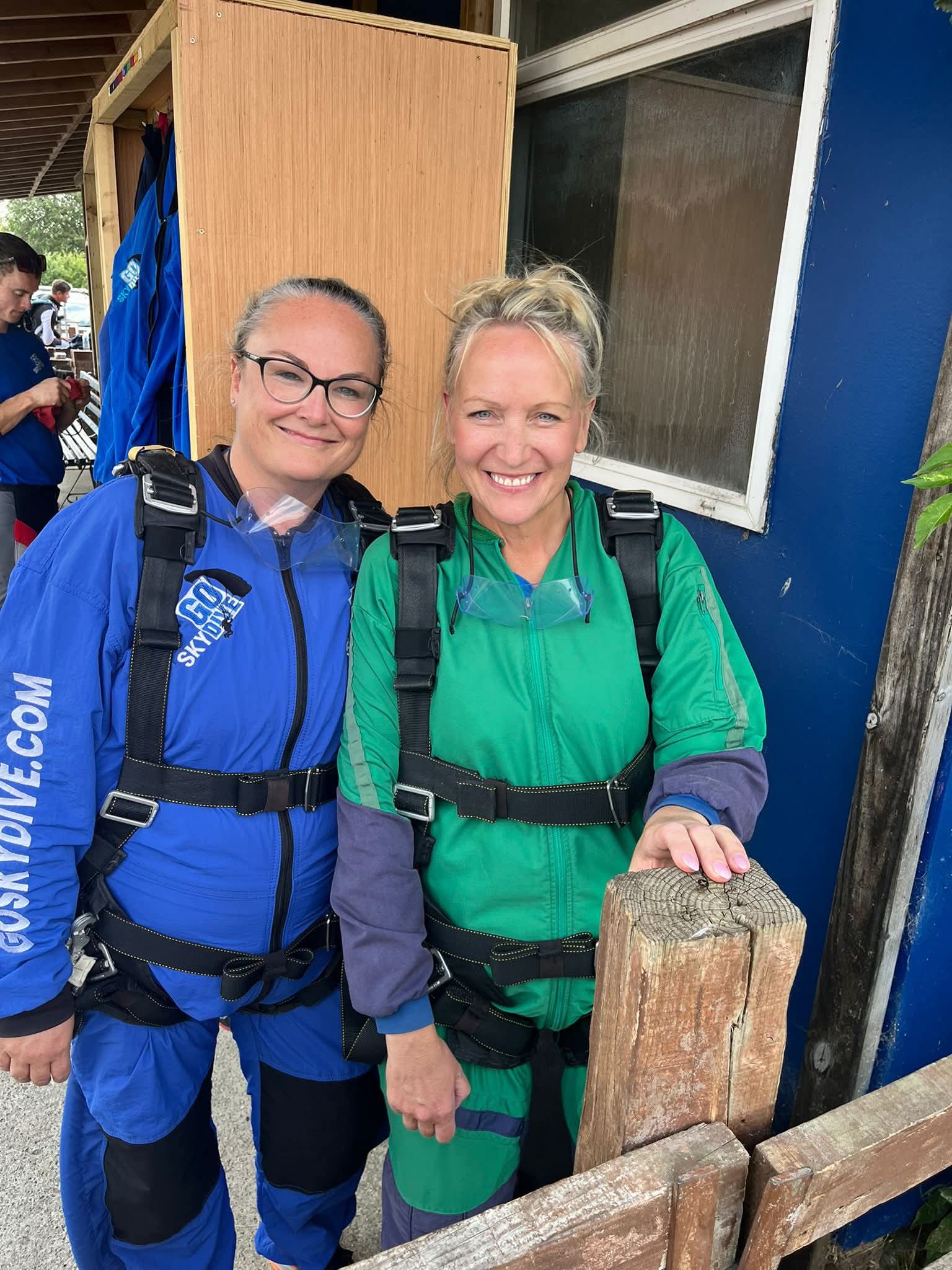

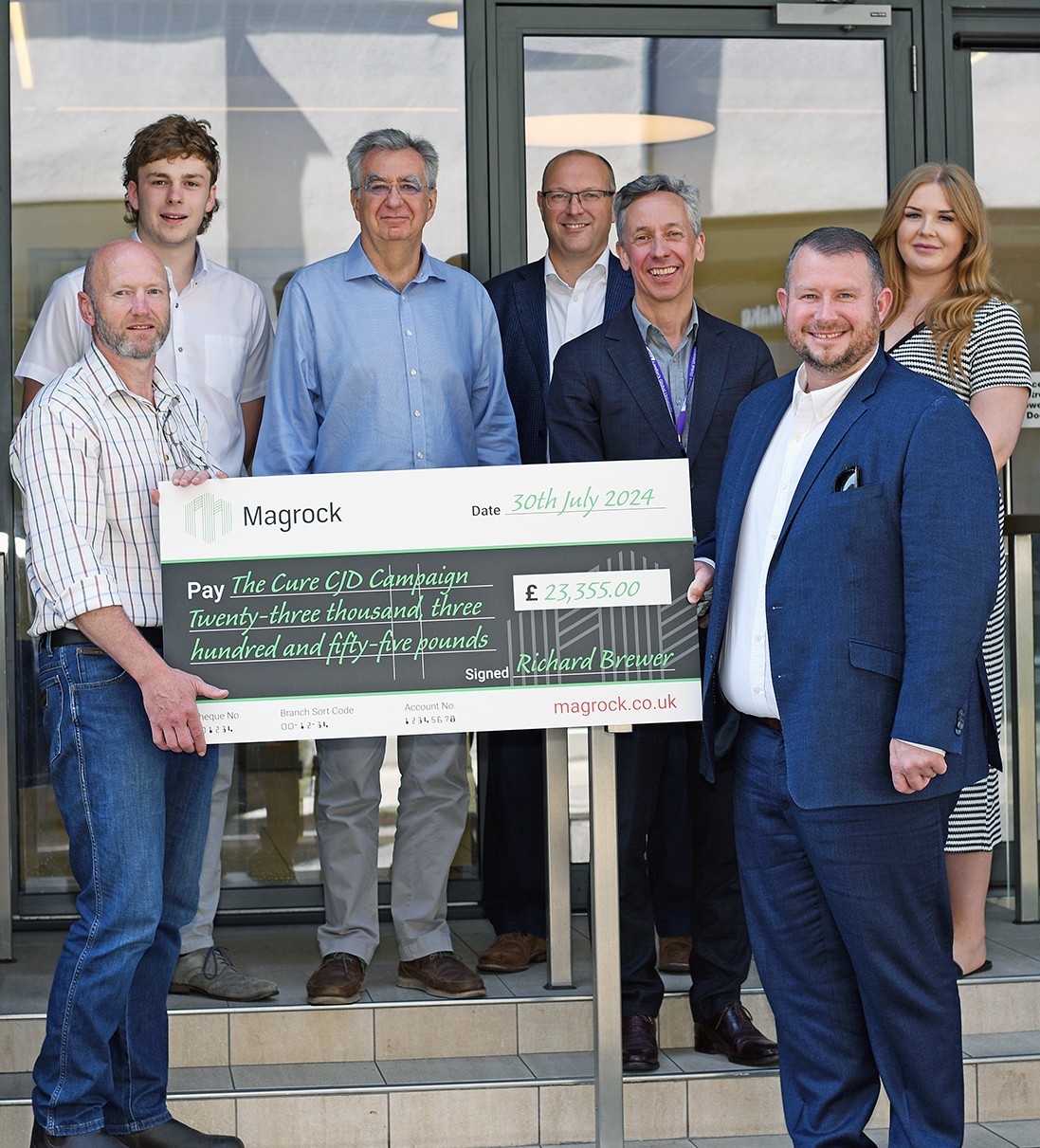
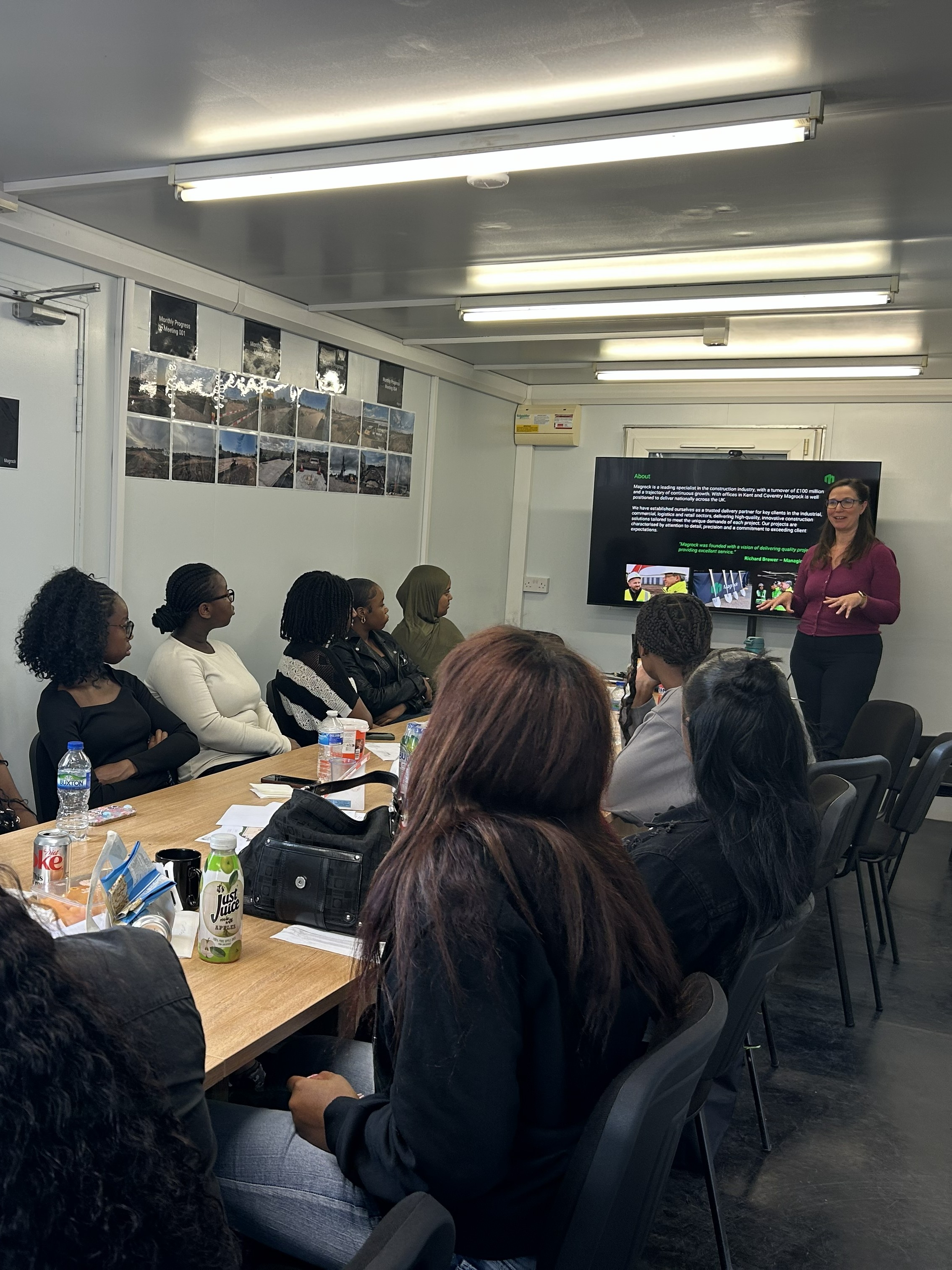


What They Say

"On behalf of the CureCJD Campaign , I would like to extend our deepest gratitude for the wonderful support we have received from Magrock. You have been actively involved in all areas of our campaign and have generated so much through awareness and fundraising.
Your commitment to the campaign is playing a pivotal role in our wider objectives and enables us to highlight CJD and the CureCJD campaign to the wider audience both nationally and internationally. We are truly honoured to have you as a partner and look forward to continuing this rewarding relationship for many years to come.
Thank you so much."

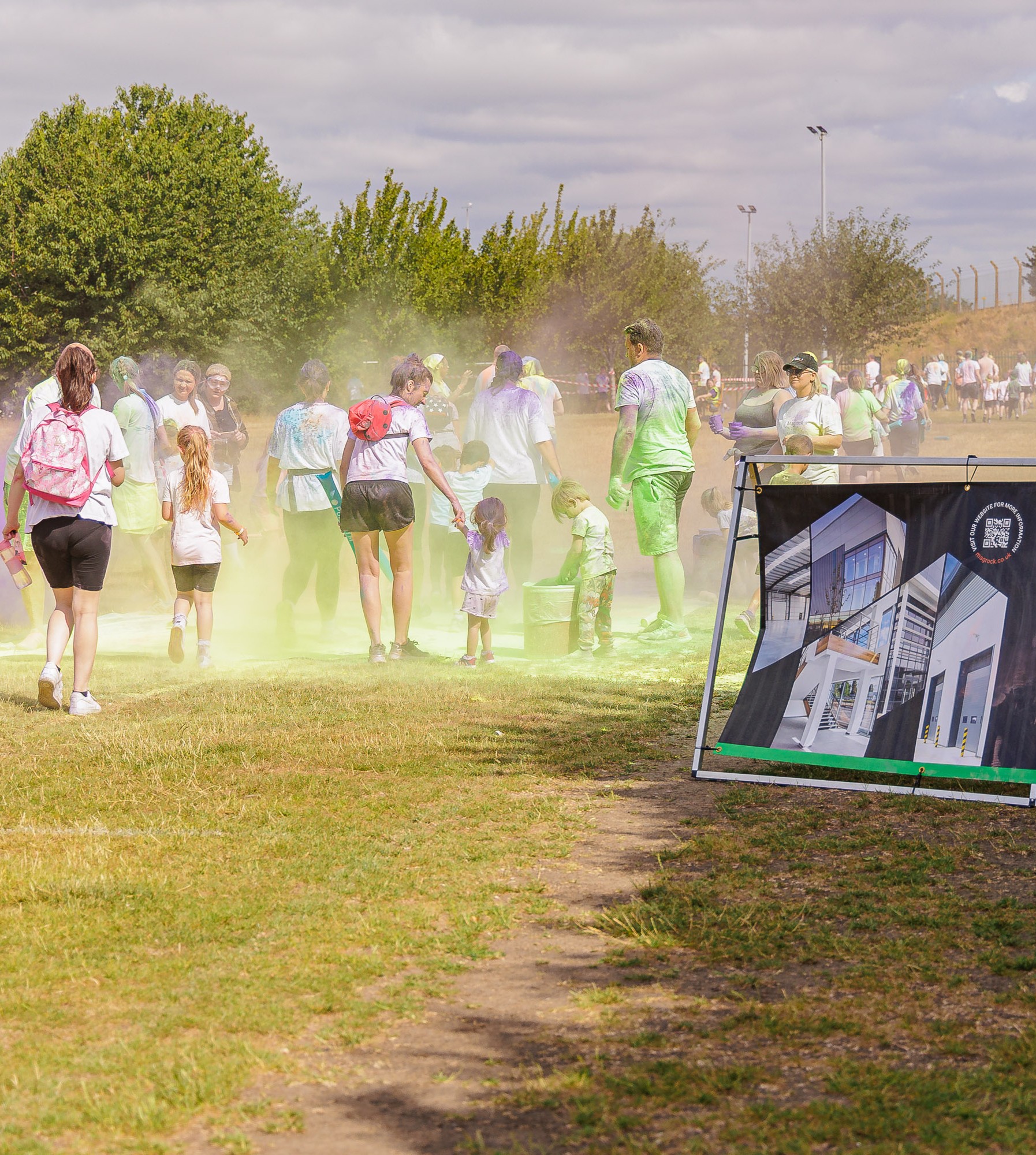
“We are so pleased to have Magrock supporting our work with disabled children and their families. They are such a genuine team who always go above and beyond for us, and they really value the core support we provide. They’ve been supporting the charity for a number of years now, and we especially love having them sponsor our Messy Dash, it’s a fantastic event that brings the whole community together.”